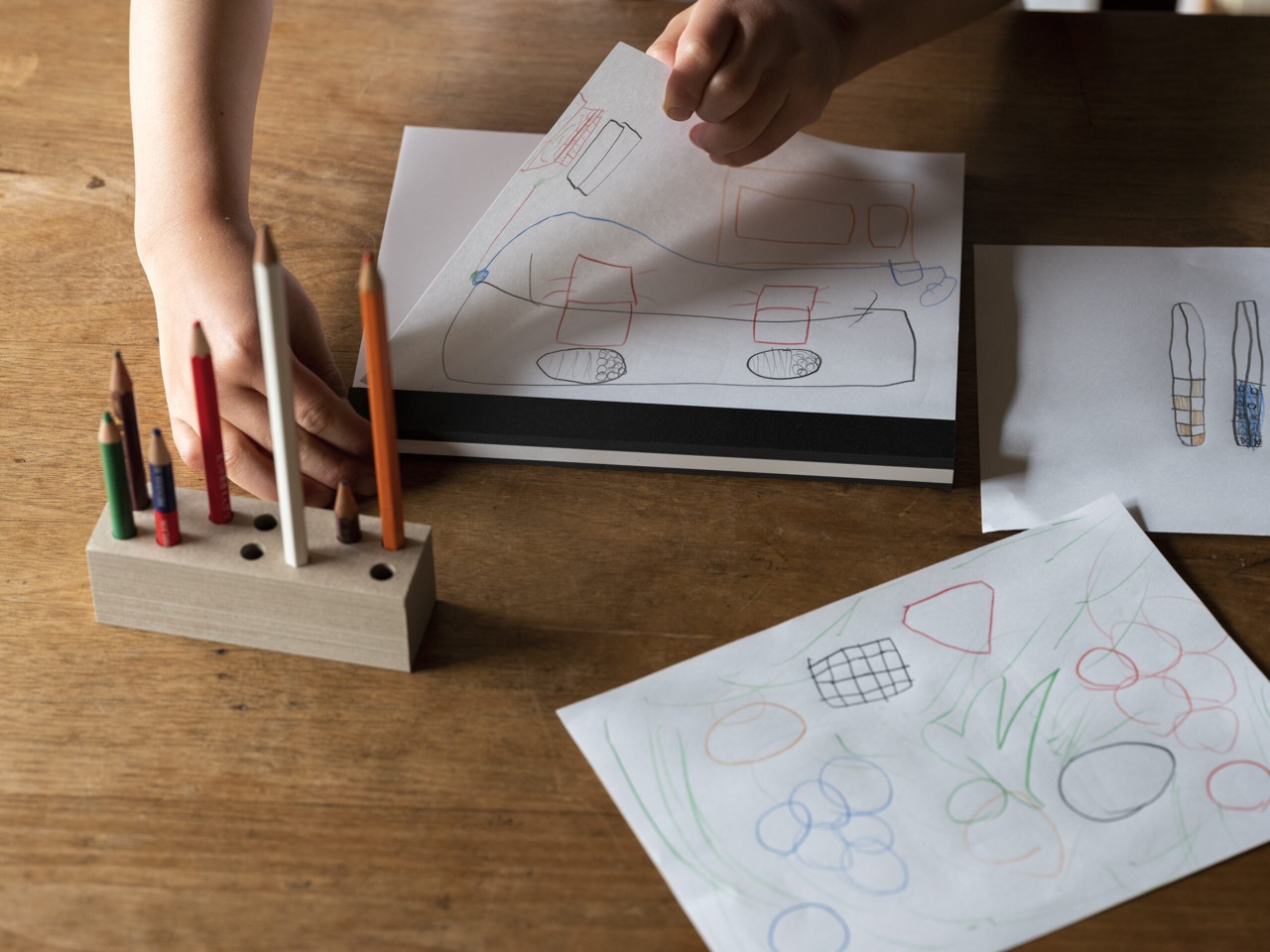
Ideas don’t wait.
The best ideas don't announce themselves. They appear out of nowhere and vanish just as fast.
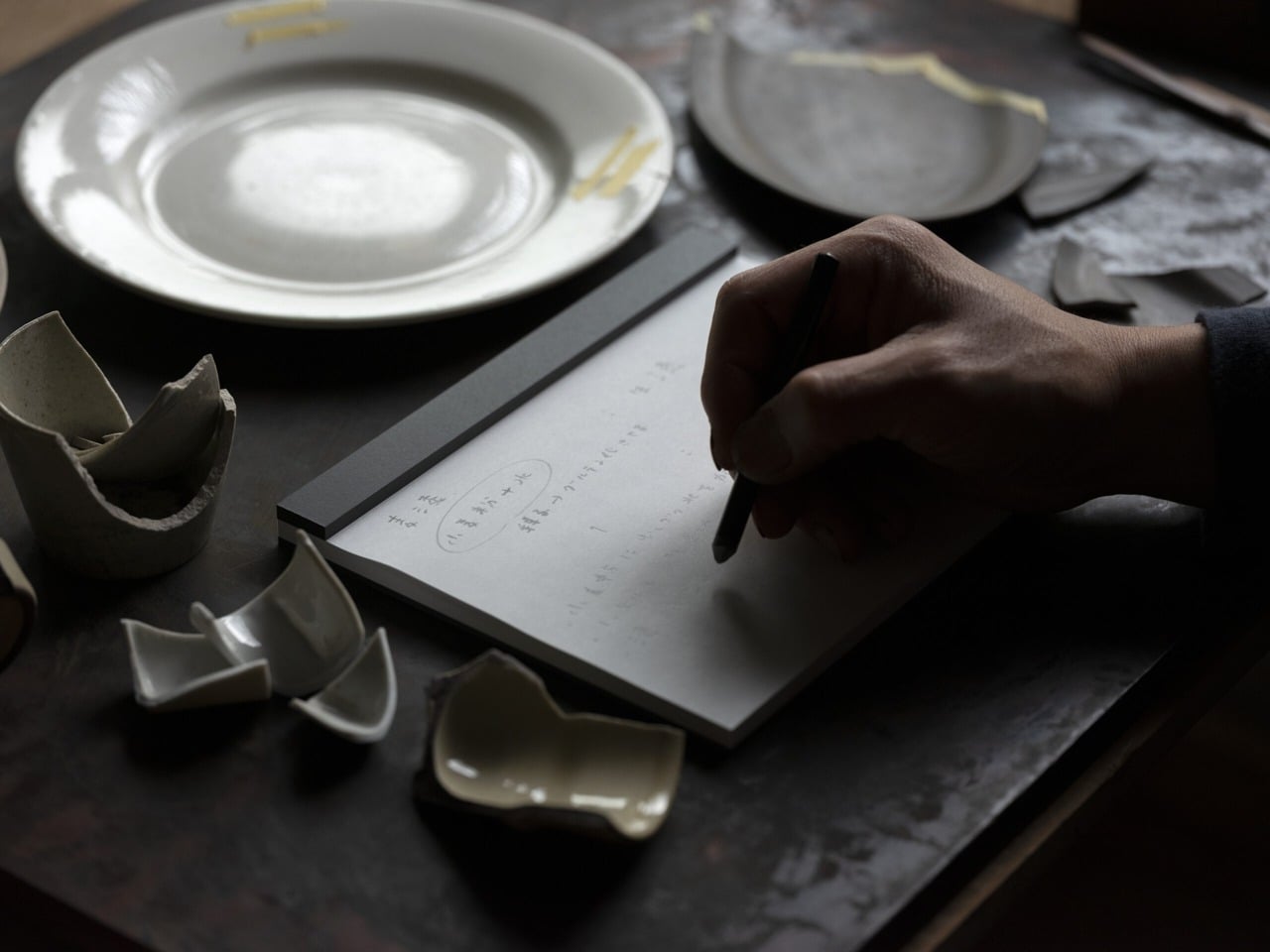
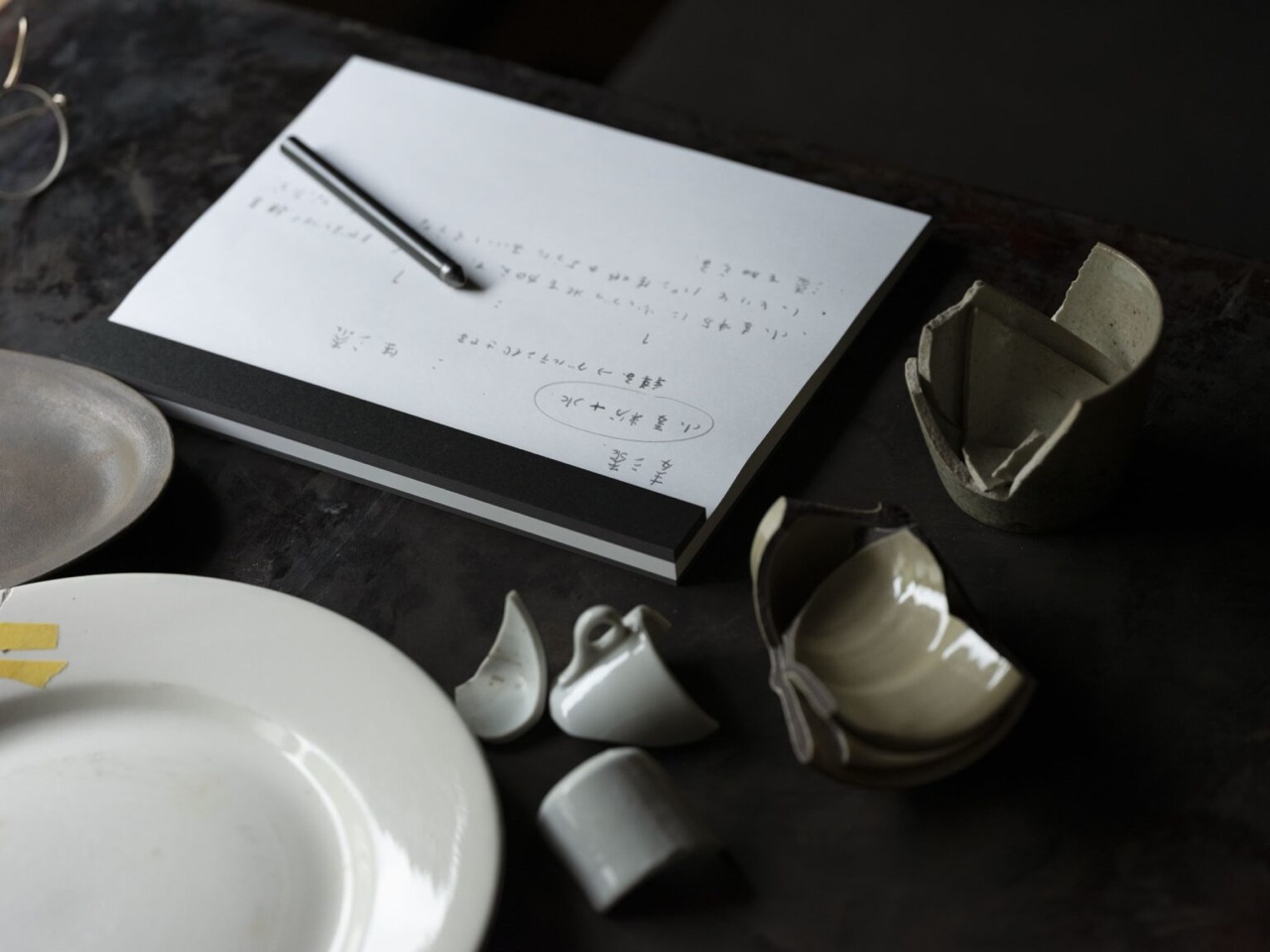
The Japanese Drawing Pad exists for these moments. Whether it's a quick sketch before a mental image fades, a thought worth exploring, or the beginning of something much bigger, it gives inspiration a place to become something tangible before the moment passes.
Crafted for the Creative Process
- Nothing Between You and the Page
There is no cover to open before you begin. The Japanese Drawing Pad leaves its first blank sheet exposed, ready when an idea needs somewhere to go.
The moment inspiration appears, you're already jotting it down.
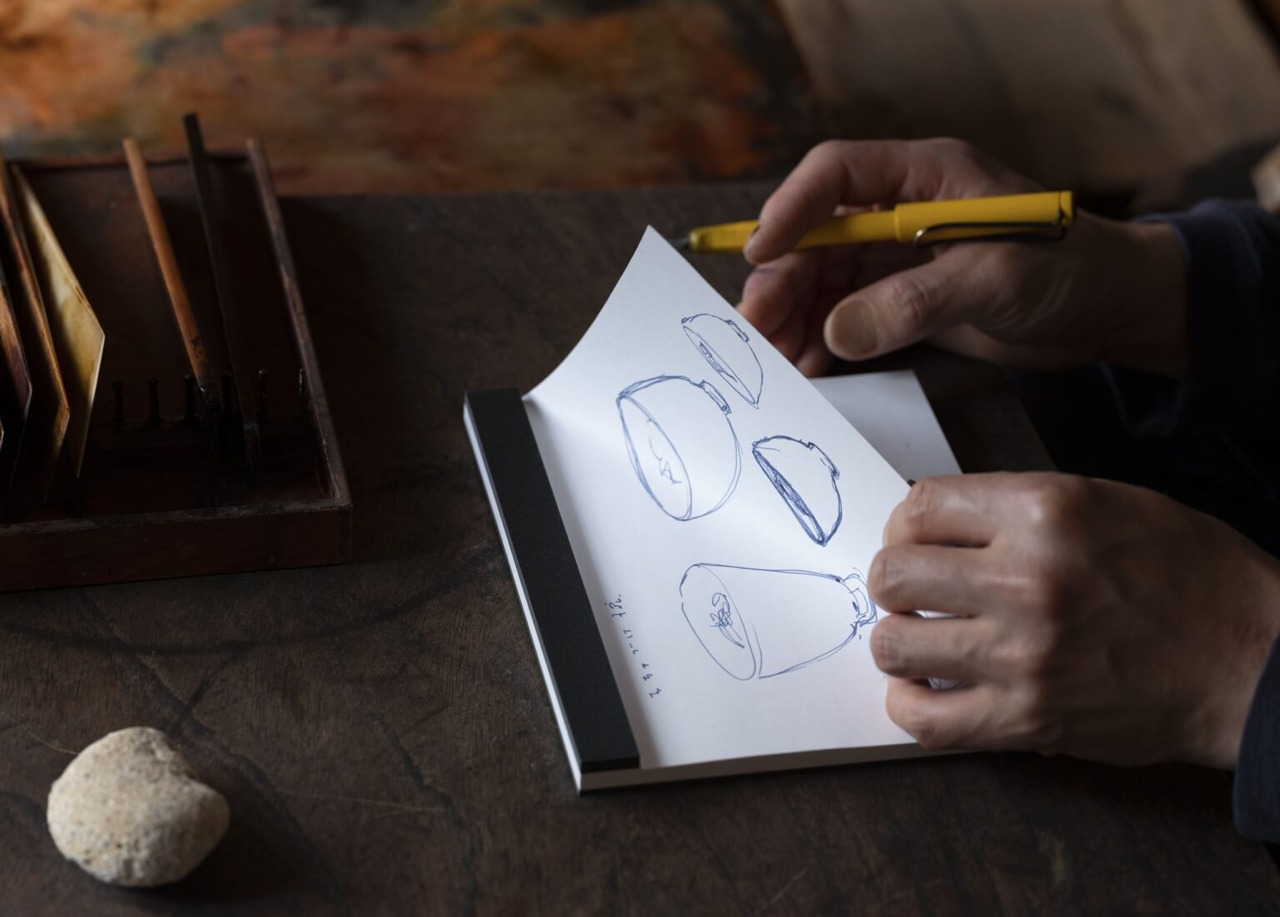
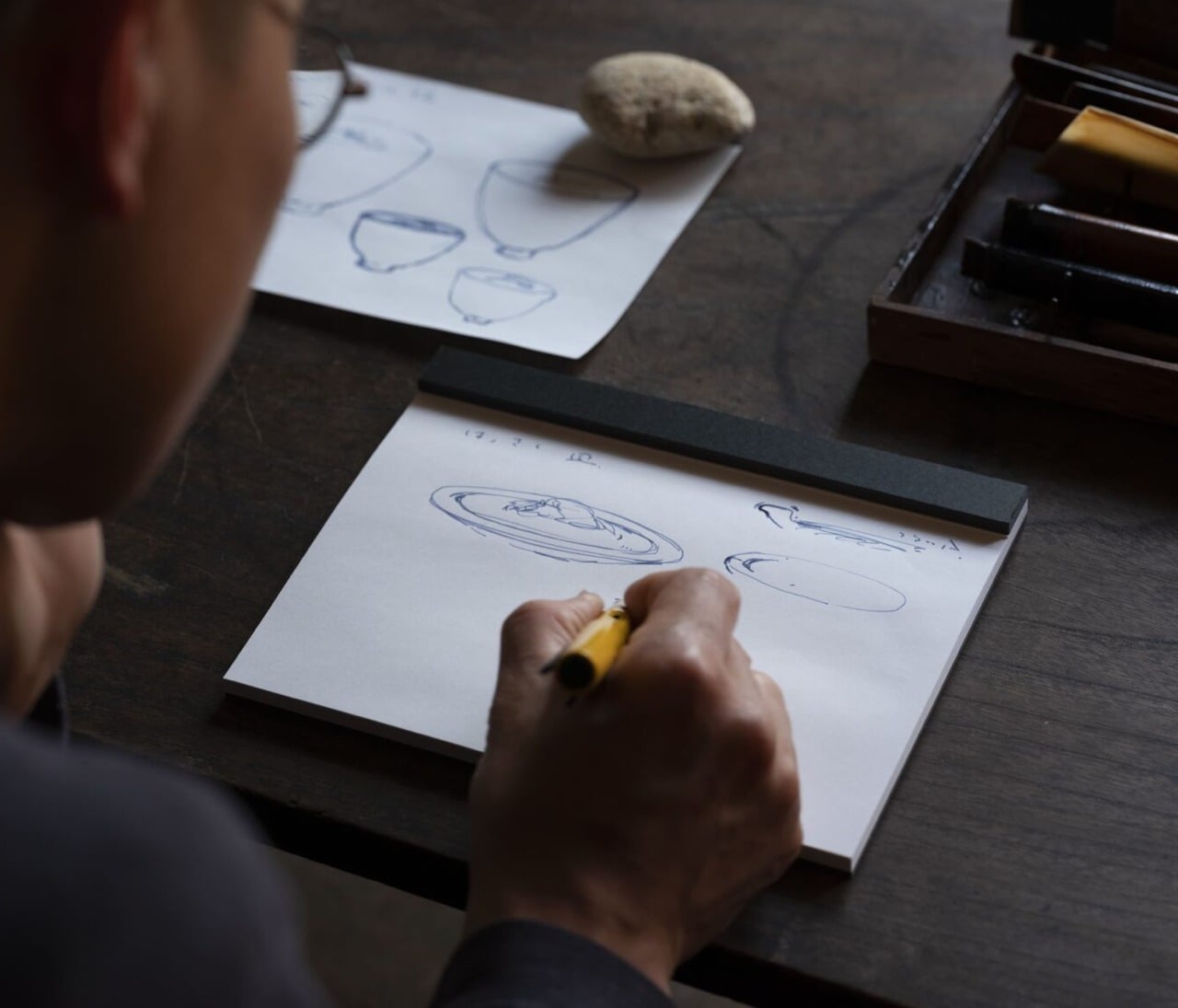
The sturdy recycled cardboard backing acts as its own drawing surface. Thick and firm enough to sketch against, take it where inspiration finds you, even without a desk in sight.
The only surface you need is already the one in your hands.
Each sheet is microperforated at the header and tears away cleanly, leaving the page and everything on it intact. A finished sketch or design can be removed, ready to be displayed, shared, or simply kept on its own.
Choose the size that fits what you're making. A6 is compact enough to carry for ideas, sketches, and lists on the move. A5 gives you more room for everyday notes and brainstorming. A4 opens up the surface for larger compositions and more detailed work.
88 Years, Still Made By Hand
The Japanese Drawing Pad is made by ITO Bindery, a Japanese bookbindery founded in 1938. Behind its remarkably simple form is a production process still guided by experienced eyes and hands.
Binding glue is applied by hand with a specialized brush, a step entrusted only to experienced craftspeople because the amount and technique affect both how easily the pad opens and how strongly it holds together. Craftspeople check the position and precision of the microperforations to keep that clean tear consistent from sheet to sheet.
Even the staples receive individual attention. After binding, each pad is pressed by hand using dedicated equipment to flatten the protruding staple legs, so they don't scratch the surface beneath the pad.
The recycled cardboard backing has its own story. Early prototypes used rigid cardboard offcuts from inside ITO Bindery's factory. What began as a way to make use of leftover material proved sturdy enough to draw against and brought a distinctive texture of its own. When the pad entered production, ITO Bindery chose to preserve that character using similarly recycled cardboard sourced from a paper manufacturer.
What feels simple in your hands is anything but simple in the making.
Where Ideas Take Shape
A half-formed thought comes to you on the train. You put it down while it's still clear, sketching against the pad in your hands. Later, a sketch develops further, so you tear the finished sheet from the pad and pin it above your desk.
Over time, the remaining pages begin to hold the traces of how you think: quick lines, unfinished thoughts, ideas returned to days later, and the occasional sketch that becomes something worth keeping.
An idea may arrive in a moment. Putting it on paper gives you somewhere to take it next.
 USD
USD EUR
EUR
 CAD
CAD
 GBP
GBP
 AUD
AUD
 JPY
JPY